Twindor kasyno – praktyczny przegląd oferty i płatności
July 17, 2026Вечірній таймінг для гравця у платформі Pin-Up для спокійної та контрольованої сесії практичні рекомендації
July 17, 2026

Across the UK, a new dining ritual is emerging. From bustling London brasseries to cosy country pubs in the Cotswolds, patrons are not anymore just scrolling social media or re-reading menus while waiting for their food. Instead, they are diving into quick, thrilling rounds of the Turbo Mines game. This clever pastime is converting those inevitable minutes of anticipation into a pocket-sized adventure, adding a dash of excitement to the pre-meal experience. We’re seeing a cultural shift where entertainment effortlessly blends with hospitality, and it’s all happening on the screens of smartphones up and down the country. The game’s rapid-fire nature makes it the ideal companion for the restaurant environment, turning passive waiting into an captivating, energy-filled interlude.
Why the Wait at a Restaurant has become Mature for Redesign
Let’s be honest, the restaurant wait is a universal experience. Even at top-notch restaurants, there’s a natural delay between placing your order and receiving it of your expertly prepared steak or gourmet pizza. Usually, this time is spent on chatting, observing others, or the usual scrolling on one’s phone. Yet, these diversions may become tedious. Enter the need for a quick, stimulating activity that fits the timeframe. The UK’s vibrant casual dining scene, renowned for its friendly vibe, gives the ideal environment for this innovation. One short, stimulating game like Turbo Mines doesn’t disrupt the social experience of dining; it frequently adds to it, becoming a shared topic of conversation or a lighthearted competition. It addresses the current diner’s wish for continuous, small-burst entertainment without demanding a lengthy commitment.
The Thinking of Pre-Meal Engagement
From a psychological standpoint, an engaging activity while waiting a short time can vastly improve our sense of time and overall experience. A period of empty waiting can seem drawn out and cause restlessness. By providing a stimulating cognitive task, time seems to pass more quickly, and the shift from arriving to dining becomes more seamless and pleasant. This beneficial involvement can even boost our mood before the food arrives, establishing a more cheerful and laid-back mood for the dining experience. For restaurants, facilitating this positive state—even just by letting patrons use their own phones—contributes to a better overall customer experience before a single bite is taken.
The UK’s Love Affair with Casual Gaming and Dining
Britain has long been a center for two pub culture and a booming video game industry. This blend has created a society very welcoming of mixing leisure activities. The rise of mobile gaming suits perfectly British lifestyles, whether during a commute or a quiet moment in the pub. Bringing this to the restaurant setting appears as a natural evolution. The informal, no-fuss style of many UK dining venues—from gastropubs to high-street chains—harmonizes wonderfully with the pick-up-and-play philosophy of Turbo Mines. It’s a modern twist on the traditional pub puzzle, like the crossword or sudoku seen in newspapers, but updated for the digital, connected age. This cultural alignment accounts for why the trend is becoming popular so swiftly across the nation.
From Pubs to Fine Dining: Where Is It Appropriate?
The appropriateness of pre-meal gaming definitely depends on the venue. In neighbourhood pubs, Turbo Mines Game, gastropubs, and family-friendly chains across the UK, it’s a ideal match, complementing the informal vibe. In these venues, a fast game is as natural as looking up a football score. For mid-range restaurants and bustling bistros, it remains a great option, notably during rush hours when waits might be slightly longer. In more formal or fine-dining establishments, discretion is paramount. While the practice might still be indulged quietly, the focus in such places is generally on the ambiance, thorough menu exploration, and wine steward interaction. However, even there, a subtle round while your companion goes to the restroom is a modern alternative to merely gazing at the cutlery.
Presenting Turbo Mines: A Ideal Compact Buddy
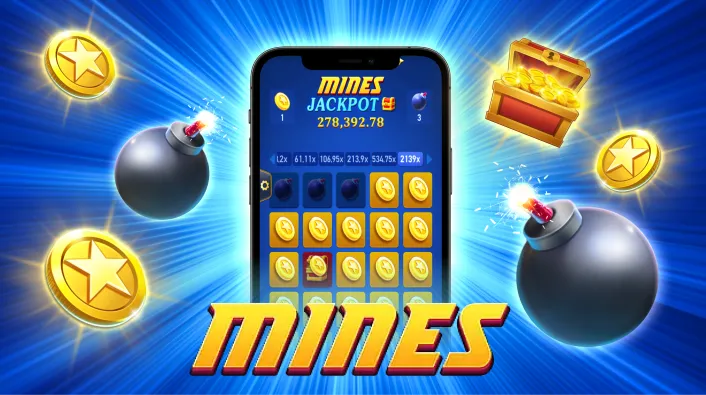
So, just what represents the Turbo Mines game? At its core, it’s a rapid, tile-based game of deduction and risk. Participants are presented with a board of cells, under which several “hazards” lie concealed. The objective involves reveal all tiles avoiding any explosions, by interpreting numbers to identify safe cells. The “Turbo” aspect speaks to its fast, heart-racing tempo, stimulating rapid reasoning and rewarding strategic daring. Its mechanics are straightforward to understand but tough to excel at, rendering it easy to play for a beginner in a short break while offering depth for regulars. Its compact format implies you can begin and complete a rewarding session in a short time, ideal for those brief gaps.
Practical Advice for Enjoying Turbo Mines Before Eating
To get the most out of your before-dinner playing time, a bit of preparation is worthwhile. We suggest setting up the game on your device prior to being seated to prevent download issues so you can play right away. Modify your device’s brightness to be comfortable in a dimly lit restaurant, and think about using earphones for audio if playing alone, maintaining the atmosphere for others. Decide on a casual time boundary—perhaps aiming to beat your high score before the drinks arrive. Most importantly, remember it’s part of the fun, not the main event. The game is the aperitif; the meal and company are the star attractions. Keep the energy light and be prepared to stop as soon as the food comes, as nothing should upstage that eagerly awaited first taste.
- Load up the game before the waiter takes your order.
- Modify device settings to be comfortable and discreet in the dining environment.
- Establish a light objective, like “three tries” or “surpass my personal best”.
- Stop right away when food arrives to fully appreciate the meal.
- Employ it to spark conversation, not a conversation replacement.
In what ways Turbo Mines Improves the Eating-Out Experience
Incorporating a game like Turbo Mines into the pre-meal ritual delivers more than just passing time; it actively improves the dining-out experience. Firstly, it serves as a fantastic social catalyst. Partners or groups can swap turns, share tips, or vie for the best score, encouraging interaction rather than isolating individuals into their screens. Second, it provides a mental palate-cleanser, a shift in focus from the day’s stresses to a playful challenge. By the time the waiter comes with the starters, the table’s energy is often more vibrant and engaged. For solo diners, it’s a pleasant, confidence-boosting distraction that makes dining alone feel intentional and engaged, not uncomfortable.
- Social Catalyst: Promotes shared fun and discussion among tablemates.
- Mood Enhancer: A quick win boosts dopamine, setting everyone in a better mood for the meal.
- Stress Buffer: Serves as a mental break from daily stresses, allowing diners to fully settle in and be present.
- Patience Builder: Makes waiting feel useful and fun, lessening perceived wait times.
Balancing Screen Time with Social Time
A key issue is the balance between digital engagement and in-person social interaction. The beauty of Turbo Mines in this context is its potential to be a link, not a hindrance. We promote a deliberate, moderated approach. Utilize the game as a group activity, moving the device around the table or discussing strategy. It can be a means to stimulate conversation rather than dampen it. The key is intentionality. Engaging in a couple of rounds while waiting for the order is great, but once drinks or starters arrive, the focus should naturally shift back to the people you’re with. The game acts as a fantastic filler for the dead air that can at times occur before a meal is served, making sure the social energy stays lively from the moment you sit down.
When to Pause and Engage
Identifying the right moment to put the game down is vital. Good cues are when drinks are served, when the waiter arrives to check on you, or when conversation naturally picks up a interesting thread. The game should feel like a pleasant intermission, not the main performance. Suggesting a “winner stops” rule, where the person who gets the best score in a round gets to select when the gaming halts for conversation, can weave the activity seamlessly into the table’s dynamic. This thoughtful approach guarantees technology enhances the human experience of dining out, valuing both the culinary and social aspects of the occasion.
The Future of Before-Dinner Entertainment in Hospitality
Moving forward, we see this trend as aspect of a broader movement towards seamless, customised guest encounters. Progressive restaurants and pubs might look to recognise this shift, maybe even incorporating understated prompts or tasks via QR codes on placemats or menus. The aim is not to convert dining rooms into arcades, but to recognise that contemporary entertainment is mobile and on-demand. The achievement of games like Turbo Mines highlights a desire for clever, short-form engagement. The hospitality industry has continually adapted to cultural habits, and embracing this digital-native pastime could be a straightforward way to improve customer satisfaction, ensuring guests experience their moments—all of it, even the waiting minutes—is cherished and meaningful.
At its core, the growth of playing Turbo Mines before a meal in the UK is a tribute to our passion for mixing great food with superb fun. It’s a ingenious, contemporary solution to a classic moment, converting idle waiting into an opening for a quick mental adventure. By opting for an absorbing, lively game that acknowledges the social occasion, diners are enhancing their total experience, beginning the celebration the instant they sit down. So when you’re in a UK restaurant and you catch that well-known, satisfying click of a safe tile being cleared, you’ll know someone is not just whiling away the time—they’re accelerating it.